With so many products on the shelves its hard to know what is “safe” and what isn’t. I am a huge animal lover so over the past year I have been making sure that we are using as many cruelty-free products possible. I have also become more aware of what ingredients are in products that we use. In Europe over 1,300 chemicals are banned for use in cosmetics due to questions over safety while the U.S. has only banned 11. Parabens, Phthalates, and Formaldehyde are the ingredients I have been working on avoiding. When I started this journey, I had a lot to learn; I didn’t even know what these chemicals were or why they could be considered unsafe. I also learned a lot about cruelty-free brands and while one brand might be cruelty-free their parent company is not cruelty- free. So, let’s start with the basics.
Cruelty-Free
This refers to a product that is not tested on animals. I wish it was that simple and I could just stop there but when shopping for cruelty-free brands you need to know the difference. A brand can have a cruelty-free symbol and all that means is the finished product was not tested on animals but in earlier stages ingredients used to make the finished product were tested on animals. “Designation as “cruelty-free” or “not tested on animals,” or even the image of a bunny on a label may only refer to the finished product, when in fact, most animal testing occurs at the ingredient level. Furthermore, while a company may claim, “We do not test on animals,” it could still contract other companies to do the testing. The only way to be 100% certain a company is cruelty-free is to buy products from companies that have been certified by the Leaping Bunny Program, which requires that no new animal testing be used in any phase of product development by the company, its laboratories,
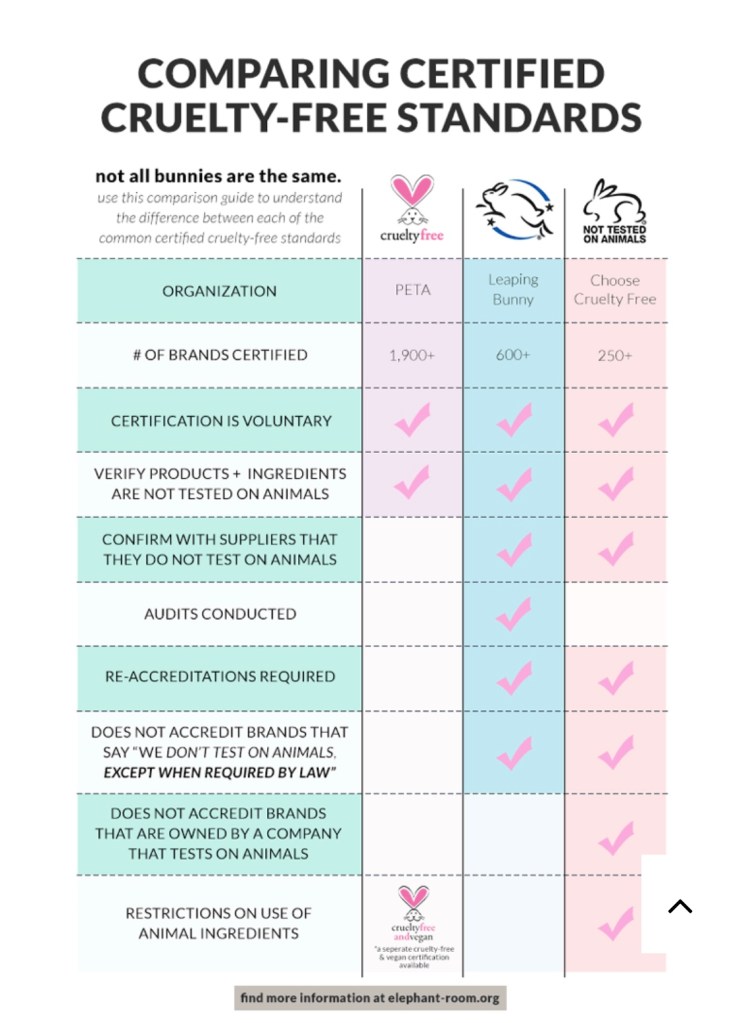
or ingredient suppliers.” (https://www.leapingbunny.org/content/myths-facts) The sites I have found to be most helpful are leapingbunny.org based on my research they have the strictest guidelines. You can read more about their standards for a company to use the Leaping Bunny Logo here: https://www.leapingbunny.org/about/the-standard Another site I like is Cruelty Free Kitty. “All the brands found on this list were vetted to be cruelty-free, meaning: They don’t test finished products on animals at any point during production. Their suppliers don’t test raw materials, ingredients, or products on animals. No third-party tests on animals on their behalf. They don’t test on animals where the law requires it, i.e. mainland China.” (https://www.crueltyfreekitty.com/list-of-cruelty-free-brands/). PETA is another site you can use too.
Parabens
“Parabens are a family of related chemicals that are commonly used as preservatives in cosmetic products. Preservatives may be used in cosmetics to prevent the growth of harmful bacteria and mold, in order to protect both the products and consumers. The parabens used most commonly in cosmetics are methylparaben, propylparaben, butylparaben, and ethylparaben. Product ingredient labels typically list more than one paraben in a product, and parabens are often used in combination with other types of preservatives to better protect against a broad range of microorganisms.” (https://www.fda.gov/cosmetics/cosmetic-ingredients/parabens-cosmetics) Parabens have been used in many products and with new studies and information on how they could affect me is why I choose to use products that are paraben free. “A British study found traces of five parabens in the breast tissue of 19 out of 20 women studied. The study didn’t prove that parabens can cause cancer but identified that the parabens were able to penetrate the skin and remain within tissue. Parabens are believed to disrupt hormone function by mimicking oestrogen. Too much oestrogen can trigger an increase in breast cell division and growth of tumours, which is why paraben use has been linked to breast cancer and reproductive issues.” (https://www.elle.com/uk/beauty/skin/articles/a36356/what-are-parabens/)
Phthalates
“Phthalates are a group of chemicals used to make plastics more flexible and harder to break. They are often called plasticizers. Some phthalates are used as solvents (dissolving agents) for other materials. They are used in hundreds of products, such as vinyl flooring, adhesives, detergents, lubricating oils, automotive plastics, plastic clothes (raincoats), and personal-care products (soaps, shampoos, hair sprays, and nail polishes). Phthalates are used widely in polyvinyl chloride plastics, which are used to make products such as plastic packaging film and sheets, garden hoses, inflatable toys, blood-storage containers, medical tubing, and some children’s toys. Human health effects from exposure to low levels of phthalates are unknown. Some types of phthalates have affected the reproductive system of laboratory animals. More research is needed to assess the human health effects of exposure to phthalates.” (https://www.cdc.gov/biomonitoring/Phthalates_FactSheet.html) “Phthalates aren’t a single chemical. They’re an entire family of them. And like most families, they don’t behave the same way. Three of them, BBP, DBP, and DEHP, are permanently banned from toys and products intended to help children under 3 sleep, eat, teethe, or suck. DBP and DEHP damage the reproductive systems of lab rats, especially males. Tests on people show DBP can irritate skin. We’re not sure if BBP causes cancer in people, but research shows it may have caused cancer in lab rats. DEHP is confirmed to cause cancer in animals, and expected, but not confirmed, in people. It also causes developmental problems in animals, but it hasn’t been shown to affect people the same way. Three more, DiDP, DINP, and DnOP, are under an interim ban from toys that can go into a child’s mouth. DiDP can make your eyes and skin red or cause nausea, dizziness, and vomiting. DINP causes tumors and developmental problems in lab rats. In 2014, California added it to its list of chemicals known to cause cancer. But it hasn’t been proven to cause cancer in people. DnOP was linked to endometriosis in women and caused problems in reproductive development in rats. It can irritate the skin in both people and animals.” (https://www.webmd.com/a-to-z-guides/features/what-are-phthalates#2)
Formaldehyde
“Formaldehyde is a colorless, strong-smelling gas used in making building materials and many household products. It is used in pressed-wood products, such as particleboard, plywood, and fiberboard; glues and adhesives; permanent-press fabrics; paper product coatings; and certain insulation materials. It is also used to make other chemicals. Formaldehyde is quickly broken down in the air – generally within hours. It dissolves easily in water, but does not last long there, either. When dissolved in water it is called formalin, which is commonly used as an industrial disinfectant, and as a preservative in funeral homes and medical labs. It can also be used as a preservative in some foods and in products, such as antiseptics, medicines, and cosmetics. Sometimes, although formaldehyde is not used, substances that release formaldehyde are. These have been found in cosmetics, soaps, shampoos, lotions and sunscreens, and cleaning products. Formaldehyde can be added as a preservative to food, but it can also be produced as the result of cooking and smoking. Formaldehyde also occurs naturally in the environment. Humans and most other living organisms make small amounts as part of normal metabolic processes.” “Formaldehyde and other chemicals that release formaldehyde are sometimes used in low concentrations in cosmetics and other personal care products like lotions, shampoo, conditioner, shower gel, and some fingernail polishes. These may raise the concentration of formaldehyde in the air inside the room for a short time, but the levels reached are far below what is considered to be hazardous. Professional keratin hair smoothing treatments can contain formaldehyde or formaldehyde releasing chemicals. Using these can raise indoor air concentrations of formaldehyde to levels that could be a potential hazard.” “Exposure to formaldehyde has been shown to cause cancer in laboratory test animals. Exposure to relatively high amounts of formaldehyde in medical and occupational settings has been linked to some types of cancer in humans, but the effect of exposure to small amounts is less clear. In rats, inhaled formaldehyde was linked to cancers of the nasal cavity and leukemia. In one study of rats given drinking water containing formaldehyde there was an increase in stomach tumors, while another showed no increase in any kind of tumor or cancer. In mice, applying a 10% solution of formaldehyde to the skin was linked to quicker development of cancers caused by another chemical.” (https://www.cancer.org/cancer/cancer-causes/formaldehyde.html)
Now that we have had a brief lesson, we can start talking about making the switch. While more research needs to be done on most of these chemicals to know how they will affect us long term just reading about them and what they do/could do was enough for me to decide that I wanted to use products without these chemicals. When I’m looking for a product to use, I first make sure its Cruelty-Free and then I read the ingredients to see if it is also paraben, phthalate, and formaldehyde free. I do most of my shopping at Target and Ulta and have found great products at both places! Switching products can be expensive too. I did not just go out and spend hundreds of dollars on new products. When I notice I’m running low on a product that I want to switch I start researching new products online and reading reviews and then purchase the new product. Making the switch does not mean you have to change everything even just changing some daily items that have harmful ingredients can help make a difference!
I am no scientist nor am I an expert on these subjects and I encourage you to do your own research as well. My family and I live a pretty healthy lifestyle and while we are aware of what we put in our bodies we were not as aware of what we were putting on our bodies. I am now more aware of what ingredients are used in products that we use often and try to use products that are paraben, phthalate, formaldehyde free and are also Cruelty-Free.
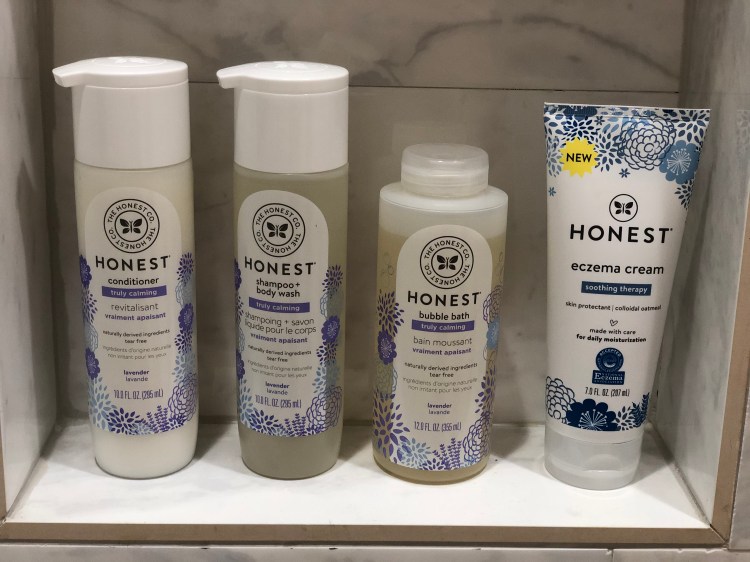
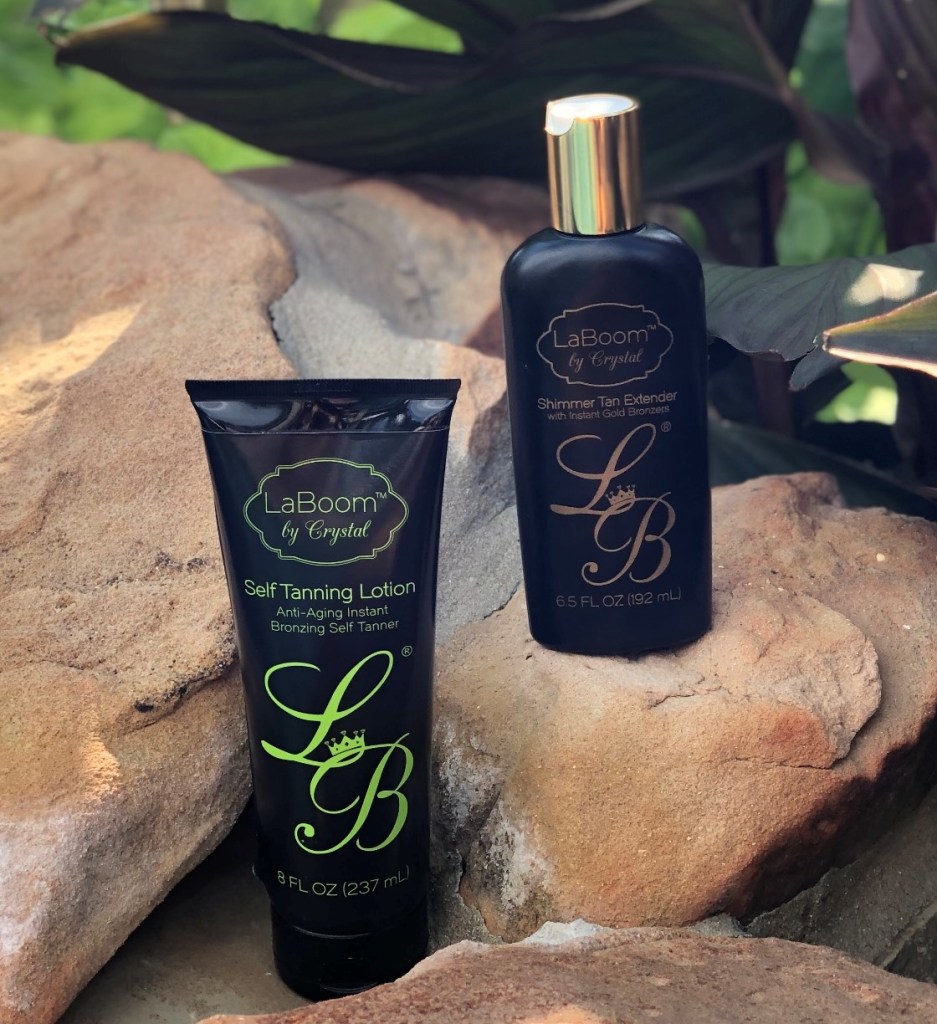
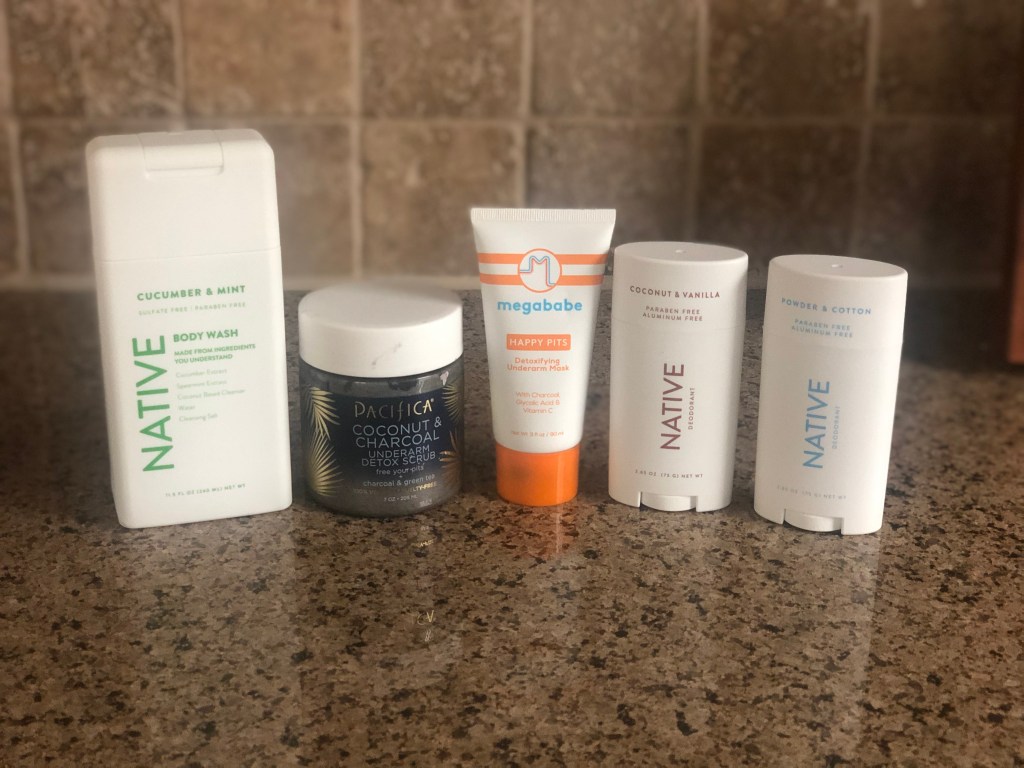
Some of the products I currently use are The Honest Co- I use these for Tyler, and they are great for his sensitive skin. I have been using Native body wash and deodorant and love the way they smell. Pacifica has a lot of great products too. LaBoom By Crystal has some awesome self-tanning products. I will be posting and updating products that I have found and love under the “Products” section of this site.
“Everyone you meet is fighting a battle you know nothing about. Be Kind. Always.”
 Heather's Crazy Beautiful Life